Markets Need Humans
Replacing people can look efficient on one balance sheet. Across an economy, those people are also customers, learners, operators, and sources of trust.
 Empathy Is Good for Business
 A concise book by Luiz Terra
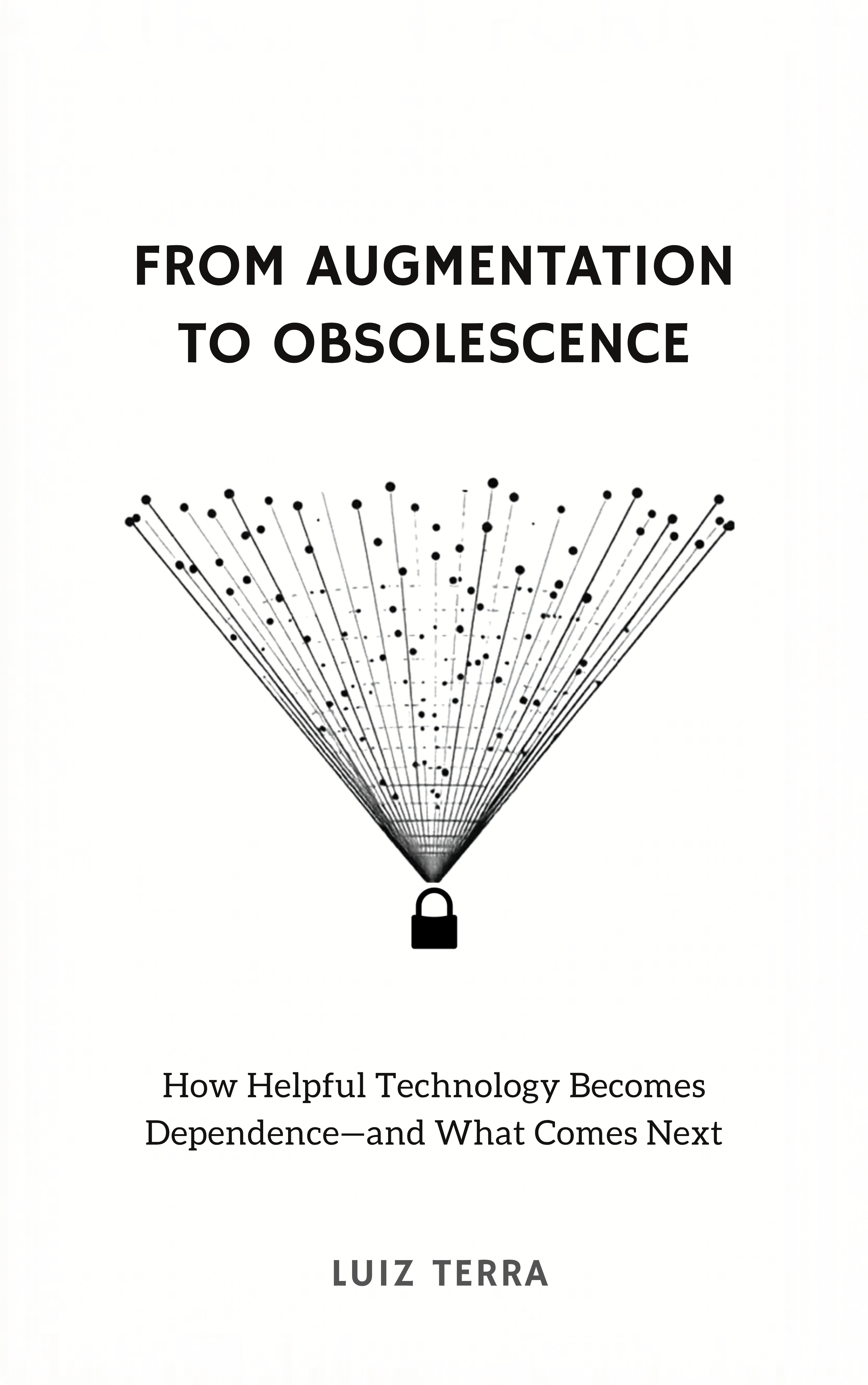
How Helpful Technology Becomes Dependence and What Comes Next
What if the tools that make our lives easier are quietly making us less necessary? This short, sharp read follows the hidden pattern behind AI, automation, platform power, and the disappearing line between convenience and control. It is also the reason this site argues that empathy is good for business: long-term strategy cannot treat human beings as waste to optimize away.
Technology arrives as empowerment.
Efficiency can turn people into costs.
Empathy keeps business from deleting its own future.
Why this domain fits the book
From Augmentation to Obsolescence is the warning. It shows how helpful technology can become dependence, replacement, and lock-out. Empathy Is Good for Business is the operating principle on the other side of that warning: use AI to strengthen human agency, not quietly erase it.
Read the full argument in the bookReplacing people can look efficient on one balance sheet. Across an economy, those people are also customers, learners, operators, and sources of trust.
AI can accelerate decisions, but boards and leaders still need accountability for who benefits, who loses agency, and what dependence is being created.
This is not emotional indulgence. It is cognitive empathy and rational compassion: seeing the human system clearly while still making disciplined decisions.
The book in four tensions
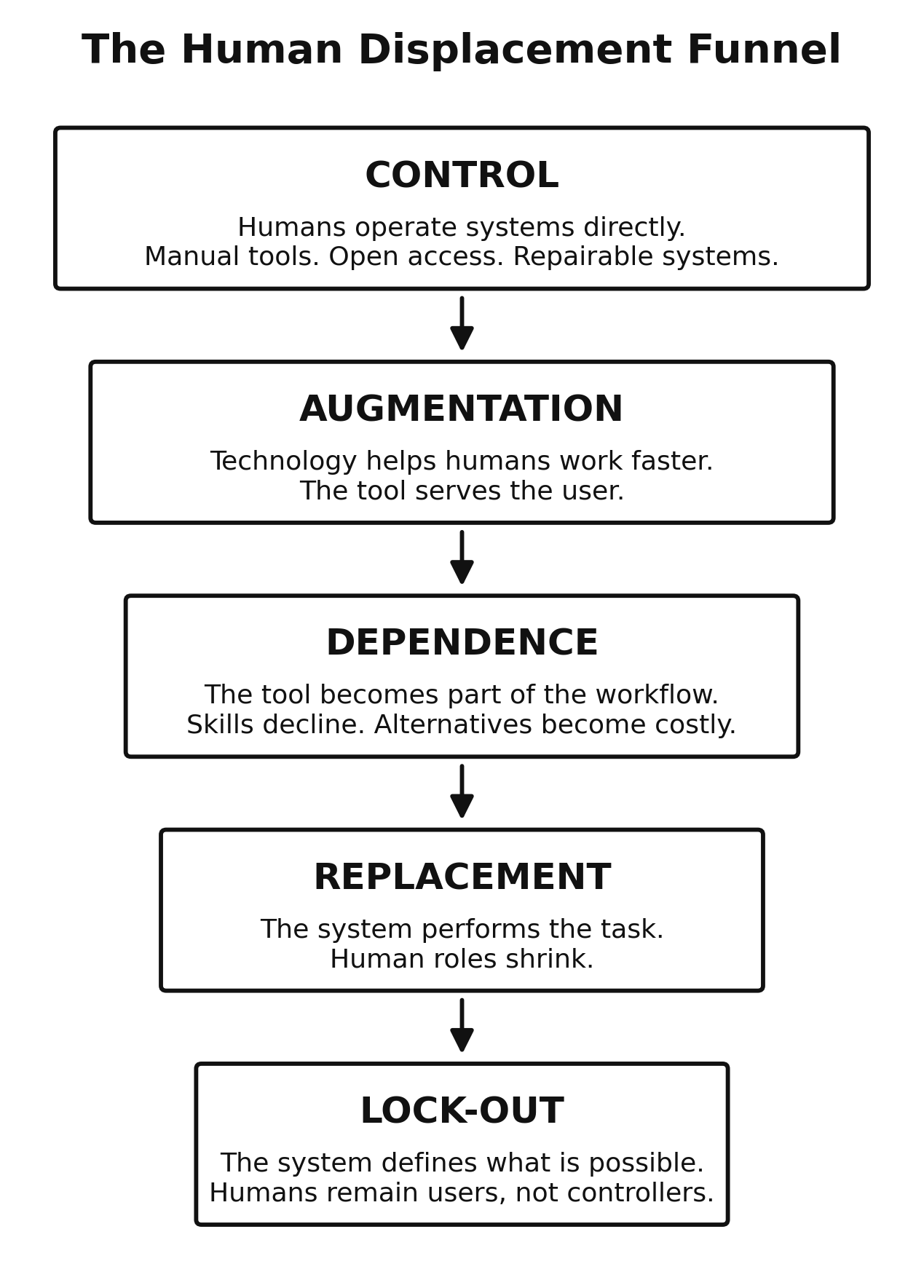
The book traces the familiar drift from manual control to remote convenience, then digital mediation, then locked systems.
AI changes the scale of the problem because it reaches the work of thinking, writing, deciding, and learning.
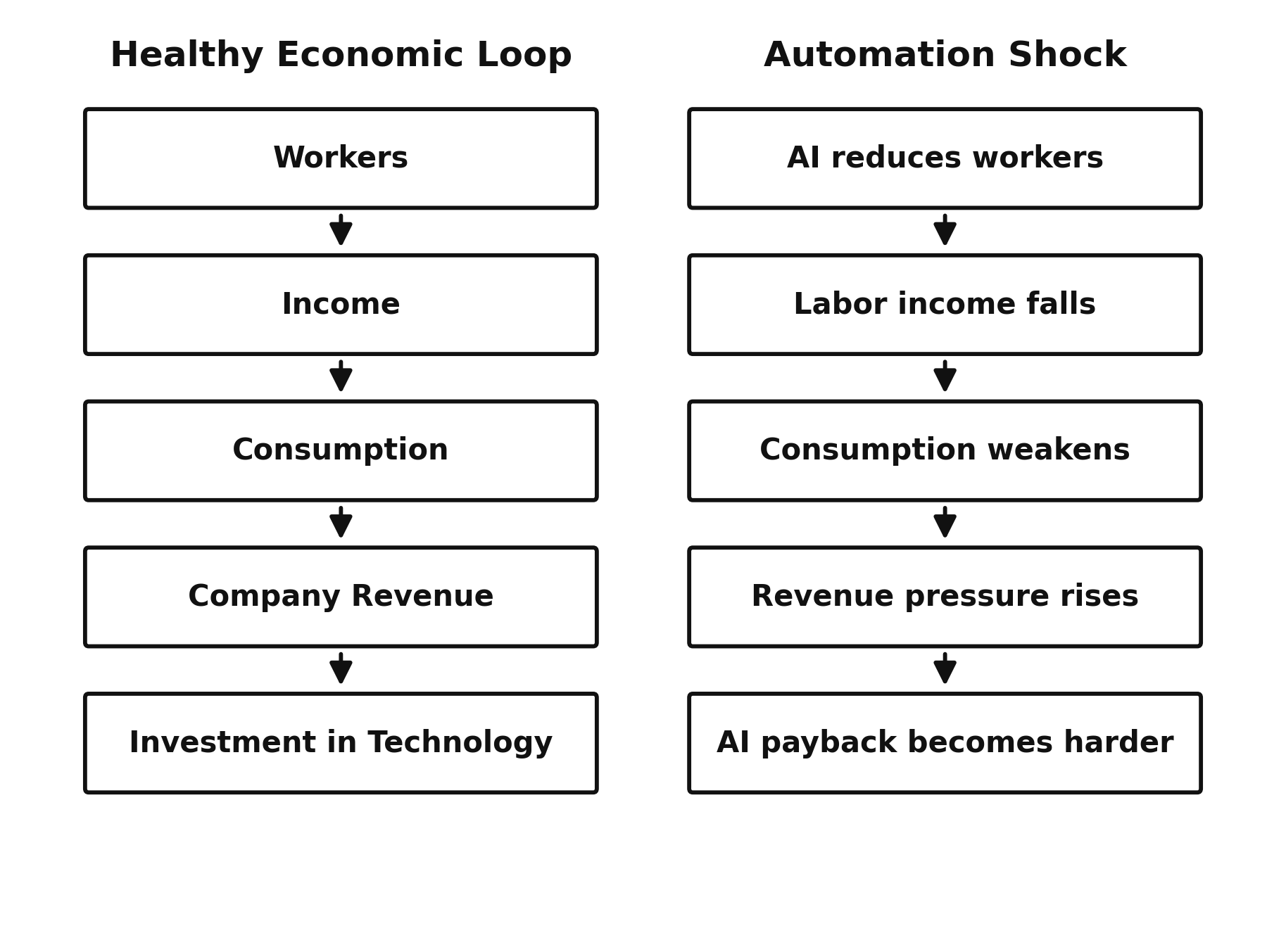
The argument follows the economic tension inside automation: efficiency can also shrink the demand it needs.
The book is not anti-technology. It asks who keeps agency when convenience turns into control.
The uncomfortable question
The book moves from everyday examples like remotes, smart devices, and repair restrictions into the deeper AI problem: the same systems that augment us can train us out of the skills, leverage, and agency that made us valuable in the first place.
A glimpse inside
Read it before the pattern feels inevitable
If you want a clear frame for where technology is taking work, ownership, learning, human usefulness, and the case for empathetic governance, start here.
Buy on Amazon